Erosion control projects benefit from carefully chosen straw-based products. This guide highlights top options that help stabilize soil, filter runoff, and promote vegetation establishment. Each selection showcases biodegradable materials, varying longevity, and practical applications for residential landscapes, construction sites, and slopes. The focus is on reliability, ease of use, and environmental compatibility across common American soils and climates.
| Product | Brand | Typical Use | Format |
|---|---|---|---|
| 100% Biodegradable Erosion Control Blanket (8′ x 112.5′) | Farm Plastic Supply | Temporary erosion blanket for slopes and disturbed ground | Blanket |
| Straw Wattle (9″ x 25′) | Farm Plastic Supply | Slope stabilization and channel protection | Wattle |
| Straw Wattle (9″ x 12′) | Farm Plastic Supply | Perimeter control and runoff filtration | Wattle |
| Biodegradable Seeding Mulch with Tackifier (2.5 CU FT Bale) | EZ Straw | Seed protection and erosion prevention | Bale |
| Just Straw Clean Processed Straw (Small Bale) | EZ Straw | Multipurpose ground cover and moisture retention | Bale |
Farm Plastic Supply Biodegradable Erosion Blanket (8′ x 112.5′)

This erosion control blanket combines agricultural wheat straw and coconut fiber with a biodegradable brown poly net, offering a fully biodegradable solution. The product is designed as a temporary rolled blanket for stabilizing disturbed soils, with a composition of approximately 70% straw and 30% coconut fiber. The 8-foot width enhances coverage on larger slopes and project areas, enabling faster installation and more uniform performance during rainfall events.
Straw Wattle for Erosion Control (9″ x 25′)
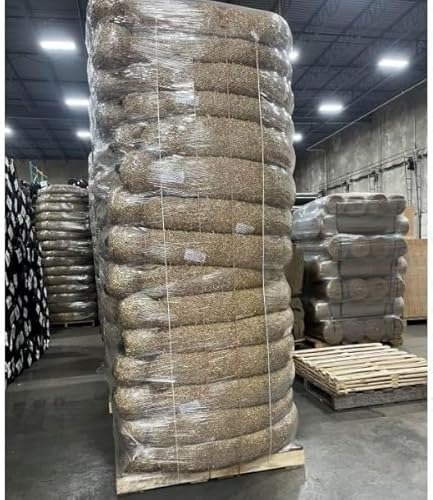
These straw wattles provide durable, reusable stabilization for slopes and channels. They reduce erosion, enhance filtration, and retain soil for one to two years, making them suitable for temporary protection while vegetation establishes. Their structural longevity can extend to 4–6 years with proper placement. Wattles are versatile for perimeter controls and as a sediment-filtering measure to slow runoff before it reaches storm drains.
Straw Wattle for Erosion Control (9″ x 12′)

This smaller wattles option shares the same durability and longevity characteristics as larger wattles, offering flexible placement along slopes, around foundations, and in perimeter controls. It helps decelerate runoff, prevents erosion channels, and filters sediment before water enters drainage systems. Reusability supports multiple seasons of use with appropriate maintenance and storage.
EZ-Straw Seeding Mulch with Tackifier (2.5 CU FT Bale)

This bale uses organic processed straw with a tackifier acting as a natural binder. The tackifier increases cohesion, helping to hold straw in place on seeded areas and reduce washout. The mulch protects grass seed from wind and animal disturbance while maintaining soil moisture. The bagged format is easy to handle and suitable for various seeding and restoration projects.
Biodegradable Erosion Blanket (5′ x 112.5′)
This blanket offers the same 100% biodegradable materials and a 70/30 straw-to-coconut ratio, scaled down to a 5-foot width for smaller projects. It is designed for temporary stabilization, soil protection, and seedbed establishment in tighter spaces where a full-width blanket isn’t required. The durable composite supports erosion control on moderate slopes and disturbed areas.
EZ-Straw Just Straw Clean Processed Straw (Small Bale)

Designed for multipurpose use, this all-natural straw is safe for children and pets and can be repurposed for pet bedding, nesting material, gardens, and ground cover. The easy-to-handle small bale format makes it a practical option for smaller sites or DIY projects where lightweight, non-toxic material is preferred. Its clean processing minimizes dust and contaminants during handling and application.
EZ-Straw Seeding Mulch with Tack (2-Pack)

This bundle provides two bales with tackifier to securely protect seed beds. The tackifier helps the straw bind and stay in place, while the mulch layer protects grass seeds from washout and wind. It’s a practical option for larger seedings or when uniform coverage is required across extended seed zones.
Buying Guide: Key Considerations for Choosing Straw-Based Erosion Control
- Project goals: Determine whether you need immediate soil stabilization (blankets) or ongoing erosion control and filtration (wattles and mulch). For slopes, wattles often work best; for seed establishment, mulches and blankets are typically preferred.
- Materials and biodegradability: Look for products with biodegradable components (straw and coconut fiber) and a net or binder that breaks down in a reasonable timeframe. This minimizes residue and simplifies cleanup.
- Longevity and reuse: Wattles generally offer longer-term use (2–6 years depending on conditions) versus temporary blankets. Consider whether you prefer one-time installation or reusable solutions for future projects.
- Site conditions: Steep slopes, loose soils, and high runoff areas benefit from heavier stabilization like blankets or larger wattles. Calmer sites may tolerate lighter mulches and smaller wattles.
- Environmental safety: Prioritize products with non-toxic tackifiers and natural fibers to protect vegetation, water quality, and wildlife. Avoid products with harsh chemical additives in sensitive areas.
- Application considerations: Assess ease of transport, storage (UV-protected packaging is a plus), and installation time. Some bales are easier to deploy in tight spaces, while blankets cover larger areas quickly.
- Maintenance and disposal: Plan for post-installation maintenance, potential reseeding, and end-of-life disposal. Biodegradable materials reduce disposal challenges but verify local guidelines.
- Cost efficiency: Compare initial costs against coverage area, expected longevity, and reuse potential to calculate value per square foot over your project timeline.
- Weather and climate: In windy or freeze-thaw regions, select products designed to resist displacement and manage moisture effectively while supporting seed germination.