Activated charcoal, also known as horticultural charcoal or biochar, is a popular soil amendment for terrariums and indoor gardens. It helps with drainage, odor control, and moisture and nutrient management. This guide highlights five reputable products and explains how to choose the right charcoal for your terrarium or potted plants. Each product table below offers quick reference to size, purpose, and benefits to help you compare at a glance.
| Product | Size | Best For | Key Benefit |
|---|---|---|---|
| Legigo 2 Qt Horticultural Charcoal | 2 qt | Terrariums, orchids, indoor pots | Drains excess moisture and improves root air space |
| Sukh Horticultural Charcoal | 1 Qt | Indoor plants, terrariums | Regulates temperature and stores water/nutrients |
| Legigo 4 Qt All Natural Charcoal | 4 qt | Terrariums, bonsai, succulents | Supports drainage and root health |
| Olivette Horticultural Biochar | 1 Bag | Terrariums, moisture control | Moisture balance and soil enrichment |
| Legigo 6 Qt All Natural Charcoal | 6 qt | Terrariums, indoor plants | Large-volume drainage and aeration |
Activated charcoal can improve soil structure by reducing compaction and helping roots access air. It also helps keep terrariums fresh by capturing odors and excess moisture. The following sections present five carefully selected products with concise details to aid in a quick decision.
Legigo 2 Qt Horticultural Charcoal
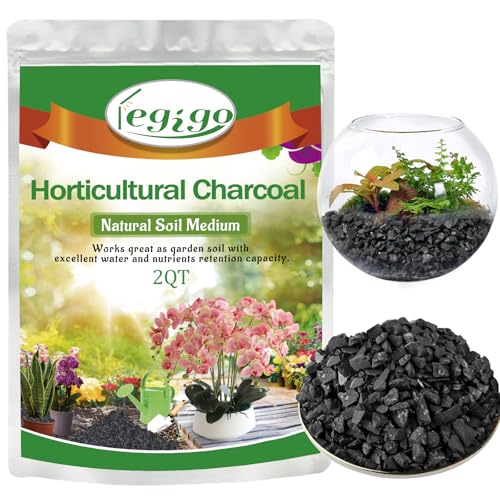
Legigo’s 2-quart bag delivers natural hardwood horticulture charcoal designed to drain excess moisture from containers and potted plants. It is suitable for orchid, bonsai, succulent, and general potting mixes. The material is screened to yield small-to-medium particles (approximately 3-7 mm) to prevent soil compaction around roots. The charcoal also absorbs heat from the sun, potentially encouraging seed germination, while promoting root health when mixed with other substrates.
Sukh Horticultural Charcoal for Plants

Sukh’s 1-quart charcoal focuses on temperature regulation and moisture management. It absorbs and retains heat, helping soil stay evenly warm for seed germination and healthy root development. It improves soil permeability and drainage—especially beneficial for containers without drainage holes—while its porous structure enhances air flow in indoor plant soils, supporting root health and vigor.
Legigo 4 Qt All Natural Charcoal

This larger Legigo option provides 4 quarts of natural hardwood charcoal for soil amendment and conditioning. It is designed to prevent soil compaction and promote airflow around roots. Ideal for terrariums, bonsai soil, succulents, and houseplants, it absorbs heat to help seed germination while facilitating drainage and root health when mixed into potting mixes.
Olivette Horticultural Biochar
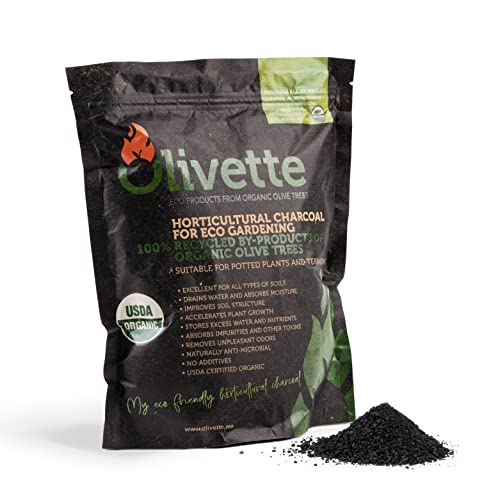
Olivette’s olive-derived biochar is crafted from recycled olive pits and by-products. It provides superior moisture control and supports sustainable gardening. This char contains properties that enhance aeration and promote beneficial soil microorganisms, reducing the risk of soil compaction and root rot while improving overall plant resilience in terrariums and potted plants.
Legigo 6 Qt All Natural Charcoal

The 6-quart Legigo option provides a larger quantity of natural hardwood charcoal for extensive terrarium setups or larger indoor plant collections. It maintains soil porosity, prevents compaction, and supports robust root systems by keeping the medium light and well-aerated. The product is ideal for homeowners building long-lasting soil mixes for climate-controlled environments.
Buying Guide: Key Purchase Considerations
Choosing the right activated charcoal for terrariums and indoor plants involves balancing particle size, source material, and the specific needs of your plants. Consider the following factors to tailor your choice:
- Particle size and texture: Smaller particles mix easily into potting soil and terrarium substrates, while larger sizes provide structural drainage. A mix of sizes can optimize porosity and aeration.
- Source material: Hardwood charcoal typically works well for most houseplants, while plant-based biochar (such as olive-derived or bamboo) may offer enhanced sustainability or specific nutrient interactions.
- Moisture management: If your terrarium runs damp or if containers lack drainage, look for charcoal with strong moisture-absorption properties to prevent root rot and decay.
- Nutrient retention: Charcoal acts as a sponge, holding nutrients and releasing them gradually. This can reduce fertilizer burn and improve stability in potted mixes.
- Soil aeration and compaction: Charcoal helps maintain air space around roots, which is crucial for root development, mycorrhizal growth, and overall plant vigor.
- Compatibility with existing mixes: When adding charcoal, gradually introduce it into your soil or terrarium to avoid abrupt changes in texture or pH.
- Documentation and packaging: Look for bagged products with clear particle size ranges (3–7 mm, 6–12 mm, etc.) and material origin to match your application.
When selecting a product, consider your terrarium size, plant types, and whether you need moisture regulation, odor control, or root health benefits. Combining charcoal with perlite or other well-draining substrates can yield the best outcomes for tropical terrariums, orchids, cacti, and bonsai alike.