When spider mites threaten plants, a horticultural oil is a practical, ready-to-use solution. This guide highlights effective oils that smother pests and help prevent outbreaks. It’s ideal for gardeners seeking organic or low-toxicity control. The top picks below are selected for suitability against spider mites, with clear notes on who benefits most and where each product shines.
| Product | Best For | Main Benefit |
|---|---|---|
| Bonide Captain Jack’s Neem Oil (32 oz Ready-to-Use) | Home orchards and vegetable gardens | 3-in-1 fungicide, miticide, and insecticide |
| Bonide All Seasons Horticultural & Dormant Spray Oil (32 oz Ready-to-Use) | Year-round protection in organic gardens | Broad disease and pest prevention with organic mineral oil |
| Monterey Horticultural Oil (1 Gallon) | Large gardens and ornamental plants | Dormant and growing-season efficacy with spray-on coverage |
| Bonide Captain Jack’s Neem Max (8 oz Concentrated) | Compact spaces and concentrate users | 4-in-1 oil for insects, fungi, mites, and nematodes |
| Monterey Horticultural Oil (16 oz / Pint) | Smaller to mid-size plantings | Effective against multiple pests including spider mites |
Bonide Captain Jack’s Neem Oil, 32 oz Ready-to-Use
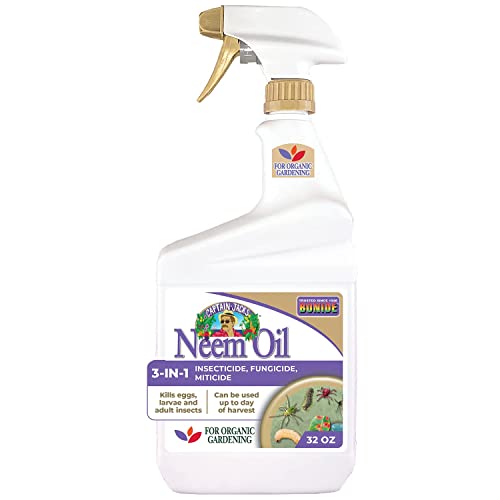
Best for: Home gardens needing broad pest suppression with a focus on mites, fungi, and eggs. This 3-in-1 neem oil acts as a fungicide, miticide, and insecticide, simplifying treatment when spider mites are part of a broader pest challenge. The ready-to-use spray is convenient for immediate protection and can be used up to harvest. Neem oil targets multiple life stages, helping to curb mite populations from eggs to adults. Caution: oil coats can burn sensitive plants in bright sun; apply carefully with proper timing.
Bonide All Season Horticultural & Dormant Spray Oil, 32 oz
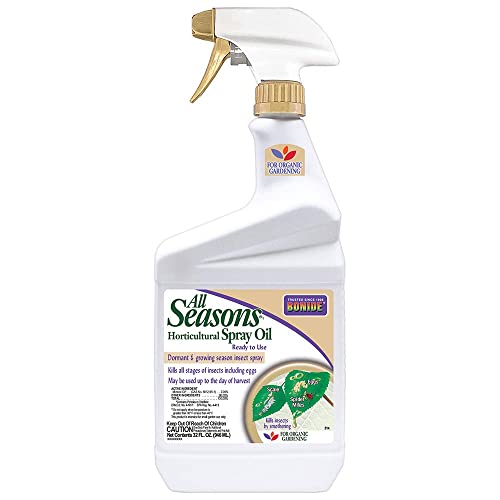
Best for: Gardeners seeking year-round protection with organic-approved mineral oil. This spray oil helps prevent powdery mildew and leaf spot while smothering mites and other listed pests. It’s versatile for use during dormant and growing seasons. Best for: larger gardens or those who want a single product for multiple seasons. Limitation: oil-based products can reduce photosynthesis briefly if overapplied or used in hot sun.
Monterey Horticultural Oil Bundled with Measuring Spoon

Best for: Large infestations and professional-sized applications, including mites and other pests. This oil works during dormant and active seasons, delivering surface smothering to eggs and adults. It’s suitable for a wide range of trees and ornamentals. Caution: as with many horticultural oils, avoid applying during peak heat of the day to prevent leaf burn.
Bonide Captain Jack’s Neem Max, 8 oz Concentrated

Best for: Small spaces or gardeners who prefer concentrated formulas for extended use. Neem Max provides a 4-in-1 approach—insecticide, fungicide, miticide, and nematicide—effective against mites at various life stages. It’s suitable for organic gardening. Limitations: concentrate requires proper mixing and interval timing to avoid overuse and ensure even coverage.
Bonide All Seasons Horticultural & Dormant Spray Oil, 16 oz Concentrate

Best for: Gardeners who need a compact concentrate for versatile use across seasons. This product provides disease and insect control with a refined mineral oil base suitable for organic gardening. It helps prevent powdery mildew and other diseases while smothering mites and aphids. Limitation: concentrate requires proper dilution and application timing for optimal results.
Buying Guide
What should you consider when choosing horticultural oil for spider mites?
- Active ingredient and product form: Ready-to-use sprays are convenient for quick treatments, while concentrates save money for larger gardens.
- Seasonal use: Some oils are suitable year-round, including dormant applications, which helps with mite suppression before growth resumes.
- Plant compatibility: Delicate ornamentals may be more sensitive to oil sprays; test on a small area first and follow label guidelines.
- Coverage and timing: Thorough coverage is essential for smothering pests. Apply during cooler parts of the day to avoid leaf burn and to maximize sticking time.
- Organic compatibility: If organic gardening is a priority, verify that the product is allowed for organic production and that the active ingredient is approved for organic use.
- Target scope: Some oils act as 3-in-1 or 4-in-1 solutions, addressing mites along with fungi and other pests. Choose based on whether you want broad or targeted control.
How to apply horticultural oil for spider mites
Apply to the entire leafy surface, including undersides where mites congregate. Maintain even coverage and avoid applying in direct sun or when temperatures are high to prevent leaf damage. Reapply as directed by the product label, especially after rainfall or irrigation.
Frequently asked questions
- Q: Are horticultural oils safe for edible plants? A: Yes, many products are labeled as safe for organic gardening and can be used on edible crops when following label instructions and pre-harvest intervals.
- Q: Do oils kill spider mite eggs? A: Some oils have miticidal properties that can affect eggs and nymphs, but effectiveness varies by product and timing.
- Q: How soon do results appear after applying horticultural oil? A: Visible suppression may occur within days, with continued control over multiple life stages as long as treatments are repeated per label.
- Q: Can I mix horticultural oil with other pesticides? A: Do not mix unless the label explicitly allows tank-mixing with compatible products to avoid adverse reactions.
- Q: Is there a risk of plant burn from oils? A: Yes, avoid applying during hot, sunny periods and test on a small area if using on sensitive plants.
- Q: Should I rotate products for mite control? A: Rotating modes of action can reduce resistance risk and improve long-term control for ongoing mite pressure.