Answering the question of how to carpet a foreground with a vivid, easy-to-grow plant, Eleocharis acicularis (dwarf hairgrass) is a top choice for many aquarists. This guide highlights five reliable, in-vitro or tissue-culture options that suit different tank sizes, lighting, and maintenance preferences. Best for newcomers seeking a quick carpet, or seasoned aquascapers aiming for a lush lawn-like foreground, these selections balance growth rate, availability, and ease of care. The table below offers quick comparisons to help you decide which product fits your setup.
| Product | Type | Best For | Notes |
|---|---|---|---|
| Dwarf Hairgrass – Eleocharis acicularis – in-vitro | In-vitro live plant | Small to mid-sized freshwater tanks; beginner to intermediate | Forms runners; good for solid mass growth |
| Planterest – Dwarf Hairgrass Eleocharis Acicularis Mini Tissue Culture | Tissue culture | Small to medium tanks; rapid carpeting | 1.5″ cup size; algae/disease-free guarantee |
| Planterest – Hairgrass Dwarf Eleocharis Acicularis Tissue Culture | Tissue culture | Medium tanks; strong carpeting and low maintenance | 2.5″ cup size; algae/disease-free guarantee |
| Ultum Nature Systems Mini Dwarf Hair Grass Eleocharis Parvulus | Tissue culture | Foreground lawns in compact tanks | Snail-free in vitro; easy care with CO2 and light |
| Dwarf Hairgrass Eleocharis Parvula Live Aquarium Plants | Live plants | Smaller tanks; beginner-friendly carpet planting | 2–3 inches; beware winter temperature sensitivity |
Now, explore five carefully chosen options. Each product section includes who it’s best for, why it was selected, and a practical caution to guide your purchase decision.
Dwarf Hairgrass In-Vitro by AquaPlants

Product Type: In-vitro live aquarium plant. Best for aquarists who want a starting backbone for a carpet with minimal algae risk. The plant forms runners close to the parent and is best planted in small, dense bunches to create a solid mass quickly. Ideal for foreground placement in both large and small tanks. Caution: In-vitro plants may require careful acclimation to avoid uprooting during transit.
Planterest Dwarf Hairgrass Mini Tissue Culture
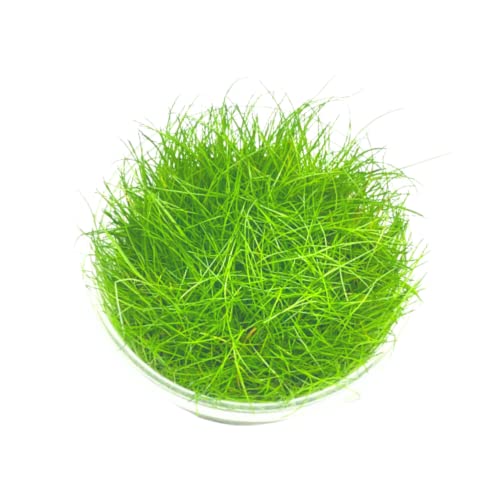
Best For: Small to medium tanks seeking rapid foreground carpeting with a compact cup size. These tissue culture plugs come with a 1.5″ cup and are sold with a 100% guarantee against algae, disease, pests, and snails. They offer an affordable, quick-start option for creating a lawn-like effect. Caution: Some variation in cup size means final plant density may differ slightly from expectation; acclimation helps establish uniform growth.
Planterest Dwarf Hairgrass Tissue Culture (2.5″ Cup)
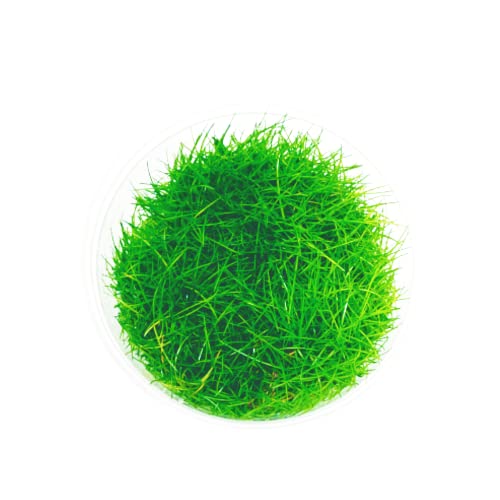
Best For: Medium tanks that support a broader carpet, offering a 2.5″ cup size for quicker establishment. The tissue culture format minimizes pests and diseases and includes a free ice or heat pack option on request. Caution: Weather-related shipping considerations may affect plant vigor; proper acclimation aids post-delivery health.
Ultum Nature Systems Mini Dwarf Hair Grass Parvulus

Best For: Foreground lawns in smaller tanks or aquascapes where a persistent, grass-like lawn is desired. The product emphasizes easy care with a requirement for medium to high lighting and a regular nutrient schedule; CO2 is beneficial. Caution: Parvulus grows slowly without adequate light or CO2, potentially delaying carpet fullness.
Dwarf Hairgrass Parvula Marcus Fish Tanks

Best For: Beginners and hobbyists with smaller tanks who want delicate, carpet-like growth. Size ranges from 2 to 3 inches, and density can vary with live plant availability. Caution: Winter temperature extremes can stress live plants; consider shipping timing and storage conditions to preserve vitality.
Buying Guide
What should you consider when choosing Dwarf Hairgrass? Here are practical questions and answers to guide your decision.
- What tank size is ideal for dwarf hairgrass? Smaller tanks benefit from tissue-culture plugs or in-vitro plants that establish quickly; larger tanks need stronger carpeting and may benefit from multiple plants or larger tissue cups.
- What lighting level is best? Medium to high lighting supports robust growth and a dense carpet. CO2 supplementation improves growth speed and blade color.
- Which plant form helps with cleanliness and health? Tissue culture and in-vitro plants reduce pest risk and algae presence at purchase. Always acclimate to your tank’s water parameters slowly.
- How much maintenance is required? Regular fertilization and a stable nutrient schedule support a lush carpet. Regular pruning prevents overgrowth and promotes dense coverage.
- What are common limitations? Temperature sensitivity and shipping stress can affect plant vitality. Choose sellers offering guarantees and consider acclimation steps.
Choosing by your aquascape goals
- For quick foreground coverage in medium to large tanks, select tissue culture options with larger cup sizes.
- For beginner-friendly setups, in-vitro options with guaranteed health and simple acclimation are favorable.
- For small tanks or nano aquariums, Parvula or Parvulus variants with compact growth fit best.
Care basics at a glance
- Lighting: 0.5–1.5 watts per liter equivalent, depending on plant density and CO2 availability.
- Nutrients: Regular dosing of macros and micros; consider a weekly optimization schedule.
- Maintenance: Trim lightly to maintain carpet shape; harvest trimmed sprouts as they spread.
- CO2: Optional but recommended for speedier, fuller carpets; low-tech setups may still succeed with higher light.
Frequently asked questions
- Is dwarf hairgrass easy for beginners? Yes, especially in-vitro or tissue-culture variants that arrive pest-free and acclimate readily with proper lighting.
- How long does carpet formation take? With adequate light and nutrients, you can see noticeable carpet formation within several weeks to a few months depending on the cultivar and tank conditions.
- Can I plant hairgrass in a Betta tank? It is possible if the tank has stable lighting and is not overly aggressive with movement, but avoid areas with high flow near the Betta’s preferred territory.
- Do I need CO2 for dwarf hairgrass? CO2 boosts growth and carpet density, but many setups succeed with strong lighting and regular fertilization alone.
- What maintenance does a hairgrass carpet require? Regular pruning to prevent tall blades from shading others and to encourage horizontal spreading is common practice.
- Are these products all disease-free? Tissue culture and in-vitro options typically carry lower pest risk, but acclimation is still important for best results.