Smart rain sensors help protect landscapes from overwatering by pausing irrigation when rain is detected or temperatures drop. Below is a curated guide to five reliable options, with quick specs and practical notes to help you compare at a glance.
Summary of chosen products:
| Product | Brand | Key Use | Wireless/Hardwired | Notable Feature |
|---|---|---|---|---|
| Orbit 57069N Rain and Freeze Sensor | Orbit | Rain and temperature detection | Wired | Weather-resistant wiring to outdoor area |
| Rain Bird CPRSDBEX Wired Rain Sensor | Rain Bird | Automatic shutoff when rain detected | Wired | Adjustable rainfall settings 1/8″ to 3/4″ |
| Rain Bird Wireless Rain and Freeze Sensor System | Rain Bird | Shuts off with rain and freeze conditions | Wireless | Icon-driven interface, saves water |
| Hunter Sprinkler MINICLIK Rain Sensor | Hunter | Stops irrigation after rain threshold | Wired | Easy installation on most systems |
| Hunter Company Wired Mini-Clik Rain Sensor | Hunter Industries | Halts irrigation during rainfall | Wired | Debris tolerant; compatible with many controllers |
Orbit 57069N Rain And Freeze Sensor
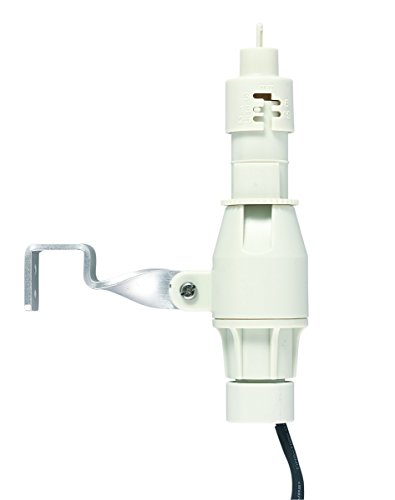
The Orbit 57069N combines rainfall and temperature monitoring to protect watering schedules from unnecessary irrigation. It uses weather-resistant wiring to connect the controller to an outdoor area, and its water-absorbent disks expand when wet, signaling the controller to suspend watering. This sensor is suitable for setups where a durable, wired connection is feasible and where simple, automatic rain response is desired. It helps reduce water waste during rainy periods and cold snaps, with straightforward installation for many standard sprinkler controllers.
Rain Bird CPRSDBEX Wired Rain Sensor

Rain Bird CPRSDBEX provides a reliable wired option that automatically shuts off and restarts the sprinkler system when rain is detected. It offers adjustable rainfall settings from 1/8″ to 3/4″ with a twist of the dial, enabling customization to regional rainfall patterns. An adjustable side vent ring helps the sensor dry out after exposure to moisture, improving longevity in damp environments. This model is well-suited for homeowners seeking precise, tunable rain sensing without wireless components.
Rain Bird Wireless Rain And Freeze Sensor System
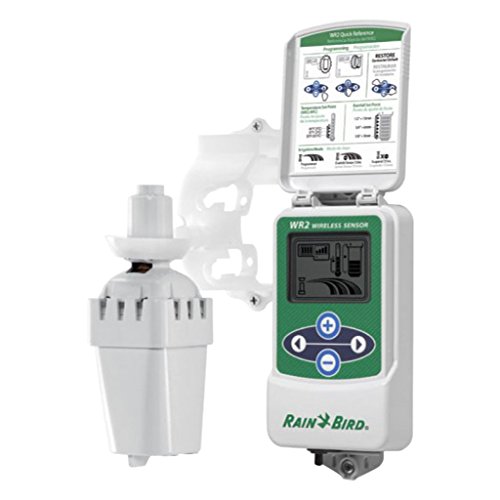
This Rain Bird wireless kit integrates rain and freeze sensors with a controller interface. It shuts irrigation off when rain is detected or temperatures drop below a set point, offering up to 35% potential water savings. Its intuitive icon-driven programming helps users adjust rainfall and temperature thresholds easily. Note that compatibility with some older or specific Rain Bird models should be verified before purchase, but the system provides robust off-wire performance for many modern controllers.
Hunter Sprinkler MINICLIK Rain Sensor

The Hunter MINICLIK Rain Sensor provides a compact, easy install option for automatic irrigation systems. It stops scheduled irrigation when a preset amount of rainfall is detected and resumes once the storm passes. Its straightforward operation makes it suitable for homeowners who want a quick, reliable rain-triggered shutoff without complex programming or maintenance.
Hunter Company Wired Mini-Clik Rain Sensor

The Hunter Wired Mini-Clik offers reliable rain-triggered irrigation control with debris tolerance for consistent operation. It is designed to be compatible with most Hunter controllers and many other brands, making it a versatile choice for mixed systems. The sensor halts irrigation during rainfall from 1/8″ to 3/4″ and is known for durable performance in outdoor environments. It suits homes seeking a robust, wide-compatibility wired sensor solution.
Buying Guide
When selecting a rain sensor for a sprinkler system, consider the following factors to ensure optimal performance and compatibility with your setup.
- Detection type: Wired sensors rely on a physical connection to the controller, while wireless systems communicate via radio signals. Wired options are often simpler and more reliable in heavy-duty installations, whereas wireless kits can simplify retrofits or complex layouts.
- Adjustable thresholds: Look for sensors that let you set rain and temperature thresholds to match local climate patterns. This helps prevent over- or under-watering for your landscape.
- Weather durability: Outdoor sensors should resist sun, wind, and moisture. Check for weather-resistant enclosures and robust disks or housings to extend life in varied conditions.
- Controller compatibility: Some sensors work with a wide range of controllers; others are model-specific. Confirm compatibility with your irrigation controller before purchasing.
- Airflow and drying features: Sensors that vent or dry after moisture exposure can prevent false triggers and prolong sensor life in humid environments.
- Ease of installation: For DIY setups, choose models with simple mounting options and clear instructions. Wireless systems may offer easier retrofits on existing controllers.
- Maintenance needs: Consider debris tolerance and ease of cleaning. Debris-heavy sites benefit from sensors designed to filter or resist clogging.
- Maintenance windows: Some devices include quick-test modes or status indicators to simplify routine checks without disabling the system.
- Cost vs. savings balance: While all sensors reduce water waste, assess expected water savings against upfront costs and installation effort for your home.
In practice, a wired option like Orbit 57069N or Hunter Mini-Clik models tends to deliver reliable performance in traditional sprinkler setups, especially when a direct controller connection is already in place. For systems that benefit from easy retrofitting or remote placement, wireless kits such as Rain Bird’s Wireless Rain and Freeze Sensor System offer flexibility with strong software-friendly interfaces. Always verify compatibility with your existing controller and local climate needs to maximize return on investment.