The right soil mix is essential for productive raised-bed gardens. This guide features five trusted products that improve drainage, moisture retention, and nutrient availability while supporting organic growing practices. Each option offers unique benefits for vegetables, herbs, and flowers in raised beds across American soils and climates. Below is a quick comparison to help you choose the best match for your beds.
| Product | Type | Best For | Notes |
|---|---|---|---|
| Espoma Organic Raised Bed Mix | Organic mix with earthworm castings | Vegetables and herbs in raised beds | Myco-Tone with mycorrhizae enhances root growth |
| Miracle-Gro Organic Outdoor Potting Mix | Container-grade organic mix | Raised beds with layered or container-style plantings | Quick-release natural fertilizer; feeds up to 2 months |
| Back to the Roots 100% Organic Potting Mix | Peat-free, upcycled materials | All-purpose raised beds or containers | Lightweight with better moisture control; USA-made |
| Michigan Peat Garden Magic Potting Soil With Perlite | Perlite-enhanced potting soil | Raised beds and lawns | Moisture-retentive with improved drainage |
| Michigan Peat Compost and Manure Blend | Compost and manure blend | Outdoor beds and landscape planting | Odor-free; nutrient-rich for soil vitality |
Espoma Organic Raised Bed Mix

Espoma Organic Raised Bed Mix is designed specifically for raised beds and outdoor containers. It blends natural ingredients with earthworm castings and a Myco-TONE proprietary mycorrhizal blend to help plant roots explore more of the soil. The mix supports robust growth for vegetables and herbs, while its organic certification aligns with sustainable gardening. Gardeners gain improved soil structure, better nutrient distribution, and a balance between drainage and moisture retention—crucial for raised beds with mixed crops and variable weather.
Miracle-Gro Organic Outdoor Potting Mix

This Miracle-Gro mix is geared toward outdoor container plants but works well in raised beds that mimic container-style planting or for top-dressing. It includes a quick-release natural fertilizer that feeds plants for up to two months. The peat-derived content comes from certified sources, and the mix is suitable for a wide range of plants including flowers, vegetables, and herbs. It provides reliable moisture management and quick feeding, helping new plantings establish quickly in raised-bed environments.
Back to the Roots 100% Organic Potting Mix
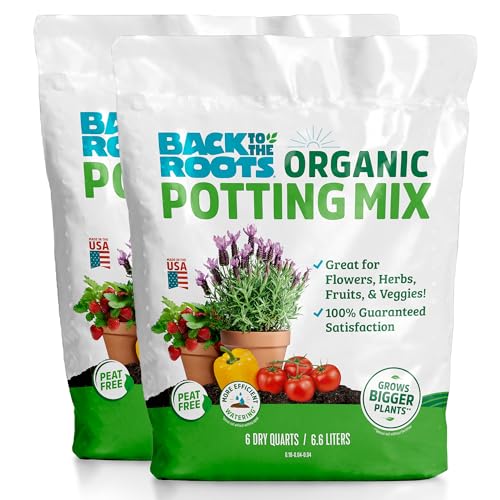
This peat-free potting mix uses upcycled plant matter and wood fines sourced in the USA, delivering a lighter carbon footprint while supporting versatile use in raised beds. The product is designed for success with herbs, vegetables, fruits, and flowers. Its moisture control components and pH-balancing additives help create a stable rooting environment, especially in beds where soil composition can vary. A balanced, all-purpose option for gardeners seeking organic, homegrown results with minimal processing.
Michigan Peat Garden Magic Potting Soil With Perlite

This Garden Magic potting soil includes perlite to improve drainage while retaining essential moisture. The blend is designed to support raised beds and lawns with robust nutrient balance, using reed sedge peat as a base. It helps gardeners create healthy soil structure, facilitating steady root growth for vegetables and ornamentals alike. The formulation aims for consistent moisture management across root zones, reducing the likelihood of both drought stress and waterlogging in raised-bed beds.
Michigan Peat Compost and Manure Blend

This compost and manure blend provides a nutrient-dense option for outdoor beds and raised landscapes. Ready-to-use out of the bag, it supports organic gardening aims while delivering essential minerals and organic matter. The blend suits vegetable patches, flower beds, and shrubs, helping to improve soil vitality, structure, and microbial balance. Odor-free formulation makes it suitable for residential gardens where sensory considerations matter.
Buying Guide: Key Purchase Considerations
When choosing garden soil for raised beds, consider the following factors to align soil properties with your crops and climate:
- Soil structure and drainage: Raised beds dry out faster; select mixes with balanced aeration and moisture retention. Perlite- or vermiculite-enhanced blends improve drainage in heavy soils.
- Nutrient profile and fertilizer needs: Some mixes include fertilizers, like Miracle-Gro, offering quick feeding. For long-term fertility, prioritize blends with compost, worm castings, or mycorrhizae.
- Organic certification and sustainability: If you prefer organic gardening, verify OMRI-listed ingredients and peat-free options to reduce environmental impact.
- pH balance: Raised bed soils often benefit from pH-balanced bases. Some blends include lime or pH-balanced components to suit common vegetables and herbs.
- Compatibility with crops: Vegetables may require richer nutrient mixes, while leafy herbs can thrive in lighter, well-draining blends. For long-term beds, ongoing soil health matters more than initial density.
- Environmental impact: Peat-free and upcycled materials reduce ecological footprint, appealing to eco-conscious gardeners.
- Ease of use and maintenance: Pre-mixed raised bed blends simplify setup, while specific potting soils may be better for mixed plantings or container-like beds.
Product selection should reflect your bed depth, climate, and crop plan. For instance, Espoma’s raised bed mix emphasizes soil biology with mycorrhizae for robust root systems, while Miracle-Gro offers a readily available option with quick feeding for new plantings. peat-free mixes from Back to the Roots are appealing for sustainability-minded gardeners, and Michigan Peat blends provide moisture control with perlite or compost enhancements for versatile raised beds. Combining these perspectives helps gardeners optimize soil for healthful yields and vibrant beds.