Leaf litter and yard waste can become valuable soil amendments when composted properly. This guide highlights durable bags and efficient composting bins that help American gardeners collect, store, and transform yard debris into nutrient-rich compost. Each option below is chosen for durability, capacity, and ease of use, making it easier to keep yards tidy while building fertile soil.
Summary of selected products:
| Product | Capacity | Type | Best For |
|---|---|---|---|
| 30 Gallon Lawn & Leaf 2-Ply Heavy-Duty Yard Waste Compost Paper Bags, 30 Count (FCV) | 30 gal per bag | 2-ply paper bags | Lawn and leaf disposal; dry or moist debris |
| Rocky Mountain Goods Yard Waste Bags – Large 30 Gallon (Pack of 5) | 30 gal per bag | 2-ply self-standing paper bags | Yard/garden waste; eco-friendly disposal |
| JupiterForce Garden Compost Bin 80 Gallon | 80 gallons | Plastic outdoor composter | Large-scale composting; year-round use |
| THEGROW’ING Updated 43 Gallon Compost Bin Outdoor | 43 gallons | Dual-chamber tumbling composter | Fast, continuous composting; quick setup |
| Necessia 30 Gallon Lawn & Leaf Bags with Gardening Gloves (30 Count) | 30 gal per bag | 2-ply paper bags | Eco-friendly disposal; leaves and clippings |
Note: All featured products are selected for relevance to leaf and yard waste composting and aim to provide practical, long-lasting solutions for home gardens.
30 Gallon Lawn & Leaf 2-Ply Heavy-Duty Bags

The FCV 30-gallon lawn and leaf bags use a 2-ply wet-strength paper construction designed for durability and tear resistance. They perform well with moist or dry refuse, making them versatile for yard cleanup. The bags are sized for leaf piles, clippings, and light yard debris, with a self-standing design that helps prevent tipping during loading. The 30-gallon capacity aligns with common bagging workflows in many American yards, enabling efficient containment and disposal. While not a composting device themselves, they provide a reliable temporary storage solution that reduces mess and spillage during cleanup and transport.
Key features include tear resistance, suitability for varied moisture levels, and a self-standing form factor. For gardeners seeking minimal equipment and simple disposal tasks, these bags offer a straightforward option to collect debris before composting or municipal disposal. Consider pairing with a compost bin for active composting or with municipal programs for waste management. The bags are consumable supplies and should be prepared in larger quantities for seasons with heavy leaf fall.
Rocky Mountain Goods Yard Waste Bags

Rocky Mountain Goods offers a pack of large 30-gallon brown paper bags that are designed to be eco-friendly and tear resistant. The 2-ply construction creates durability for handling yard waste, leaves, and grass clippings. These bags are biodegradable and accepted by municipal composting programs, aligning with sustainable disposal practices. The self-standing design helps keep bags upright during filling, reducing the mess and enabling more efficient loading. Their pack-oriented approach makes them suitable for bigger cleanup projects, such as seasonal leaf fall or post-pruning debris.
When evaluating these bags, consider your disposal workflow: if local programs accept brown paper bags, these can be a convenient, compost-friendly option. For composting at home, you might prefer a dedicated compost bin system, while bags are excellent for transport, storage, and initial processing of yard waste before composting or recycling programs. The 30-gallon size is a familiar standard in many households, allowing quick conversion from debris to compost-ready material.
JupiterForce Garden Compost Bin 80 Gallon
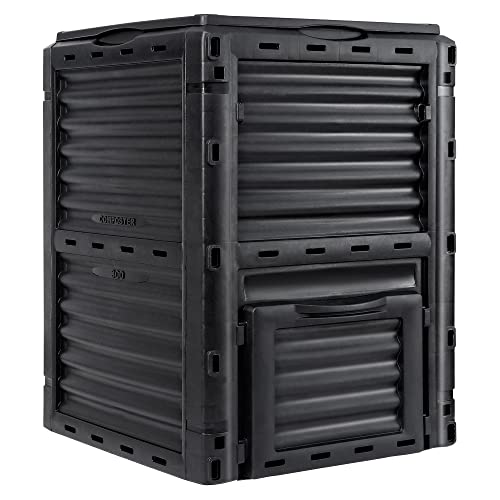
The JupiterForce 80-gallon garden compost bin is a durable outdoor option designed for efficient composting. It uses BPA-free materials, making it suitable for long-term residence in a garden environment. The bin is weather-resistant and engineered to facilitate year-round use, with ample capacity for processing kitchen scraps, grass clippings, and leaves into nutrient-rich compost. Four ventilation vents on each side promote air circulation, speeding up decomposition. The design supports easy access for loading and monitoring the compost, aiding in consistent and effective decomposition. Its substantial size suits households with frequent yard waste or larger vegetable gardens.
From a user perspective, features that matter include durability, ease of assembly, and air flow for faster composting. The BPA-free construction also adds a safety factor for households concerned about chemical exposure. As with any composting setup, balance carbon-rich and nitrogen-rich materials to optimize the microbial activity that turns waste into soil amendments. The 80-gallon size can help reduce the frequency of emptying while delivering meaningful compost yields over time.
THEGROW’ING 43 Gallon Dual-Chamber Compost Bin

The THEGROW’ING 43-gallon dual-chamber rotating compost bin is engineered for faster, continuous composting. A built-in internal nut system accelerates assembly, enabling setup in under 10 minutes. The dual-chamber design supports filling one chamber while the other ferments, reducing downtime between batches and promoting a steady supply of finished compost. The unit uses a tumbling mechanism that facilitates aeration and mixing; built-in vents on the sides further improve oxygen flow. The rotating design, combined with a plastic exterior, supports durable performance in outdoor environments and helps manage moisture levels for better decomposition.
Pros focus on speed, convenience, and continuous cycling. The dual-chamber approach is advantageous for busy gardeners who want to maintain a steady production of compost without waiting for one batch to finish before starting another. Assembly time, rotating action, and airflow all contribute to a more efficient composting experience, especially in urban or smaller yards where space is a premium. For beginners, this model offers a user-friendly entry into backyard composting with a clearly defined workflow.
Necessia 30 Gallon Lawn & Leaf Bags with Gloves

Necessia combines functional bags with included gardening gloves for a bundled approach to yard cleanups. Each 30-gallon bag features a heavy-duty 2-ply paper construction designed to resist tearing under yard waste, making them suitable for leaves, clippings, and other garden refuse. The set emphasizes eco-friendly disposal and includes a gloved set to protect hands during handling. The bags are designed to be biodegradable and suitable for yard waste processing, aligning with sustainable practices while providing practical containment for seasonal cleanup.
For buyers prioritizing sustainability and convenience, this bundle offers a straightforward solution that reduces single-use plastics and pairs well with home composting plans. The 30-gallon capacity remains a standard choice for medium-scale collection, storage, or transport of yard debris. When planning a cleanup schedule, consider bag disposal timing and whether local composting programs accept paper bags as part of the organic waste stream.
Tespher 63 Gallon Lawn Garden Bags Kit

Although listed here for context, Tespher’s 63-gallon bags showcase a larger capacity option with four reinforced handles and heavy-duty stitching. The bags are designed for durability and long-term reuse in demanding yard tasks, including large amounts of leaf fall, garden debris, and landscape pruning. The 150-gram per square meter polypropylene fabric used in Tespher bags is noted for tear resistance, UV stabilization, and water repellence. The kit emphasizes durability and versatility, positioning it as an option for more intensive or frequent yard work where bigger bags and more robust materials help streamline cleanup and transport. For readers evaluating long-term bag options, Tespher demonstrates how higher-capacity bags can reduce loading frequency and improve usability in larger properties.
Buying Guide: Key Considerations For Leaf And Yard Waste Composting
- Capacity needs: Match bag or bin capacity to yard size and seasonal volume. Larger bags and bins reduce refill frequency but require more storage space.
- Material and durability: Paper bags offer compost-friendly disposal where accepted, while plastic compost bins provide year-round, reusable processing. Look for tear resistance and weatherproofing in either case.
- Moisture management: Yard debris moisture affects bag performance. Self-standing bags and vented compost bins help manage moisture and air flow, speeding decomposition and reducing odor.
- Waste flow and workflow: Dual-chamber tumblers enable continuous operation, while single-chamber units or bags require a paused cycle. Consider how you plan to collect, store, and process compostable material.
- End-use strategy: Decide whether you will transport waste to municipal programs or build home compost with a bin. Paper bags are often ideal for municipal composting streams, while bins are better for creating finished compost on-site.
- Environmental impact: Eco-friendly or biodegradable materials reduce plastic use. If sustainability matters, prioritize biodegradable bags and BPA-free bins where applicable.
- Maintenance and cleanup: Easy assembly, accessible loading doors, and simple retrieval of finished compost improve long-term usability and reduce time spent on maintenance.
In sum, selecting leaf and yard waste solutions involves balancing capacity, durability, composting goals, and local disposal options. For many American gardeners, a mix of durable bags for seasonal cleanup and a reliable compost bin for ongoing processing provides the most practical approach to turning yard waste into valuable soil amendments.