Choosing the right sun shade can protect plants from heat stress, reduce leaf burn, and maintain optimal growth. This guide reviews five dependable options, highlighting how each shade cloth or plant cover balances sunlight reduction, airflow, and durability. Whether you’re growing in a greenhouse, sheltered garden bed, or patio pots, these picks help you tailor shade to your plants’ needs while keeping the garden comfortable for people and pets alike.
Summary of chosen products
| Product | Brand | Shade Coverage | Best For |
|---|---|---|---|
| Shade Cloth for Garden Plants Greenhouse | QLOFEI | 40-50% | Wide outdoor use, durable edges |
| Cool Area 55% Sunblock Shade Cloth | Cool Area | 55% | UV protection, long life |
| e.share Shade Cloth | e.share | 40-50% | Universal plant protection |
| Shade Cloth With Grommets 70-90% | ZOZIJIU | 70-90% | Heavy sun regions, strong wind |
| LHongL Upgraded Plant Umbrella Shade | LHongL | High sun block via canopy | Portable, adjustable shade |
Shade Cloth for Garden Plants Greenhouse

The QLOFEI shade cloth is designed to balance sun blocking with airflow. It uses high-density polyethylene to resist harsh sunlight while allowing air to circulate, creating a cooler, shaded area for plants, animals, and people. Reinforced edges aid durability, and grommets along the edges enable straightforward hanging and securing in outdoor spaces, hoop houses, or chicken coops.
Key points: material durability, adjustable coverage, and easy installation make this cloth suitable for greenhouses, plant covers, and livestock housing. It supports heat reduction, moisture control, and frost management where needed.
Cool Area 55% Sunblock Shade Cloth Cover

This shade cloth blocks 55% of sunlight and is built to last 2-3 years with high-temperature resistance and tear resistance, avoiding recycled materials. The cloth uses a special woven design that simplifies installation and improves durability. It provides UV protection while maintaining adequate air and water permeability, enabling direct watering without hindering photosynthesis.
Key points: durable HDPE, true 55% shade, breathable for healthy plant growth, and feasible for garden beds, greenhouses, and outdoor zones where shade is needed without stifling airflow.
LHongL Upgraded Plant Umbrella Shade

The LHongL plant shade umbrella provides a 26-inch canopy with 75% sun blockage and adjustable height and angle. The 180° rotating canopy helps position shade as the sun moves, protecting potted plants, garden beds, and delicate vegetables from heat stress. The design emphasizes durability and reuse, suitable for frequent outdoor use in varying conditions.
Key points: precise sun control, adjustable coverage, and a portable solution for small spaces where a fixed shade cloth isn’t ideal. Great for potted plants and seasonal containers that need targeted protection.
e.share Shade Cloth 40%-50%

The e.share shade cloth offers 40%-50% shade in a 6.5 by 10-foot configuration. Constructed from UV-stabilized polyethylene, it is lightweight yet durable, cut from a roll with no grommets. The breathable mesh provides airflow while protecting plants, and it can also help insulate and regulate moisture through seasonal changes, aiding in both summer shade and winter protection.
Key points: a simple, no-fuss shade solution with flexible seasonal use. The lack of grommets means it’s best for loose draping or temporary shade setups, especially in smaller spaces or for quick plant covers.
Shade Cloth With Grommets 70-90%
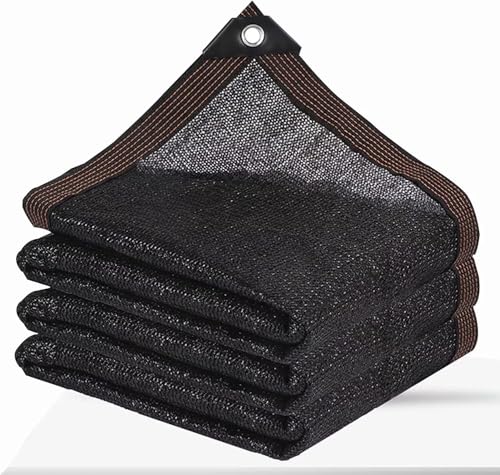
ZOZIJIU’s shade cloth offers higher sun-blocking options, with a shading rate ranging from 70% to 90%. The fabric is a high-density polyethylene mesh designed for durability and airflow, featuring six-wire sewing and reinforced corners. Aluminum grommets placed every 5 feet along reinforced edges allow secure hanging across larger areas such as patios, pergolas, or greenhouses.
Key points: maximum shade for hot climates, strong wind resistance, and robust hanging hardware. Suitable for areas where intense sun needs substantial reduction while still allowing water and air to pass through.
Buying Guide: How to Choose the Right Sun Shade For Plants
Shade needs vary by plant type, climate, and space. Consider these factors when selecting shade solutions:
- Shade percentage: 40-50% is common for leafy greens and herbs; 55% provides solid sun protection for more sun-sensitive crops; 70-90% suits hot, exposed sites but may reduce photosynthesis if applied to light-loving plants.
- Material and durability: look for UV-stabilized HDPE or equivalent; ensure reinforced edges and grommets for long-term use in wind-prone areas. Breathing mesh supports transpiration and airflow.
- Installation ease: grommets and reinforced seams simplify hanging; foldable or umbrella-style designs offer portability for seasonal changes and limited spaces.
- Air and water permeability: breathable fabrics allow irrigation and natural cooling. For greenhouse use, ensure shade does not impede essential airflow or humidity control.
- Size and coverage: measure the area to shade and select cloths or umbrellas that cover the intended zone without creating overly dense shade that could stunt growth.
- Durability under outdoor conditions: consider the climate and expected exposure to wind, sun, and moisture. A durable shade cloth can outlast temporary covers in harsher environments.
- Multi-use considerations: some options double as privacy cloth or kennel shading, which can be advantageous in mixed-use outdoor spaces.
In summary, choose a shade solution that balances adequate sun reduction with sufficient airflow, aligns with your space, and provides durable hardware for easy installation. For flexible, recurring use in varied settings, consider cloths with reinforced edges and grommets, plus portable umbrella options for small pots and raised beds.