 Trusted Garden Reviews
This guide highlights popular starter pots that help seeds, cuttings, and seedlings establish healthy root systems. We review five well‑matched options, focusing on drainage, durability, size variety, and reuse potential. Each product includes practical details to help you choose pots that fit your space, budget, and gardening goals.
| Product | Size Range | Material | Key Benefit |
|---|---|---|---|
| Anyumocz 24 Pack 3 inch | 3 inch | Plastic | Colorful, lightweight starter pots with drainage holes |
| RAOOKIF 100 Pack 4 inch | 4 inch | Plastic | Bulk set, deformable and reusable |
| OZOSHINE 40 PCS 4 Inch | 4 inch | PP Plastic | Durable, reusable, good drainage |
| WandaQueen 30 Packs Clear 3.5/4/5 Inch | 3.5–5 inch | Clear Plastic | Transparent for easy water and root watching |
| Augshy 110 Pcs 4 Inch | 4 inch | Plastic | Cost-effective bulk option with good reuse potential |
Anyumocz 24 Pack 3 Inch Square Pots

The Anyumocz set includes six colors of square plastic pots, each with a small drainage hole at the bottom to support soil aeration and moisture control. The design is ideal for seed starting, herb propagation, and decorative indoor displays. Saucers are included for tidy watering and to prevent mess on tabletops or shelves.
Key features include color variety for easy plant organization and a compact 3-inch opening that works well for starting herbs and small vegetables. The pots are lightweight, making it simple to rearrange plants as they grow. The included color assortment helps you distinguish species or stages of growth at a glance, while the drainage system reduces the risk of root rot.
RAOOKIF 100 Pack Nursery Pots, 4 Inch

This bulk set provides 100 durable 4-inch nursery pots designed for transplanting, germination, and cuttings. The pots are made from flexible plastic that returns to shape after deformation, making them reusable across seasons. Their smooth surface facilitates cleaning and multiple uses, which can lower long-term costs for serious gardeners or community gardens.
With a sturdy build and compact footprint, these pots accommodate a range of plants from herbs to small vegetables. The deformation-resilient material helps resist accidental crushing during handling, while the standard 4-inch opening supports a healthy soil-to-root volume for young transplants. This option is especially suited for large seed-starting projects or classroom kits where many pots are needed quickly.
OZOSHINE 40 PCS Plant Nursery Pots, 4 Inch

OZOSHINE offers 40 flexible 4-inch nursery pots crafted from lightweight PP material. The set emphasizes durability, ease of reshaping after compression, and long-lasting reuse. Eight drainage holes at the bottom promote drainage, improve aeration, and help minimize root issues. The pots are suitable for seed starting, cuttings, and transplanting in both indoor and outdoor settings.
These pots provide a balance between sturdiness and flexibility, making them a practical option for hobby gardeners who frequently re-pot seedlings as they grow. The lightweight design also makes handling and rearranging plants straightforward, while the reliable drainage helps keep roots healthier during the critical early growth phase.
WandaQueen Clear Nursery Pots, 3.5/4/5 Inch

The WandaQueen set provides clear plastic pots in multiple sizes (3.5, 4, and 5 inches) with drainage holes and included plant labels. The transparent design allows gardeners to monitor soil moisture and root development, enabling precise watering and timely repotting decisions. The included labels help organize collections or educational projects across classrooms and homes.
Clear pots are particularly helpful for visual learners or growers who want to assess root health without disturbing the plant. The variety of sizes supports stages from seedlings to larger transplants. This kit is well-suited for small-scale herb, tomato, or ornamental plant projects where observation and organization matter.
Augshy Nursery Pot, 110 Pcs, 4 Inch
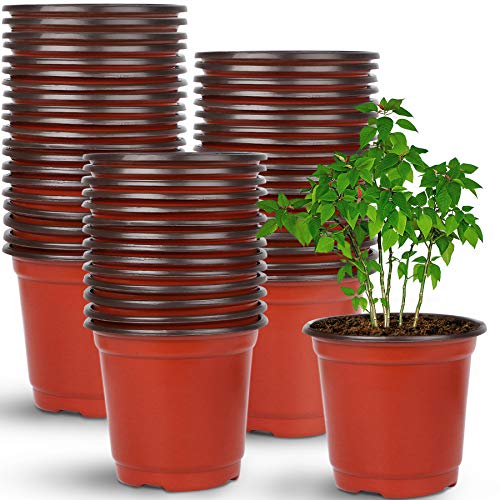
Augshy offers a large batch of 110 4-inch nursery pots, designed for greening projects, home gardening, or display purposes. The pots are made from durable PP plastic and are noted for their ability to be reshaped by hand when deformed, then restored for reuse after washing. The kit includes 110 pots, which is ideal for school programs, community gardens, or extensive seed-starting efforts.
Size-wise, these pots provide a broad base for young plants, with a 4-inch top opening and a 3.2-inch height. The practical mix of durability and flexibility helps gardeners manage large seedling batches without frequent replacements. The ability to reuse makes this a cost-effective option for ongoing projects and seasonal redeployments.
Buying Guide: Key Purchase Considerations
When selecting starter pots for plants, consider these factors to ensure you pick options that match your needs:
- Size compatibility: Match pot size to the plant type and seed stage. Smaller pots are ideal for herbs and seedlings; larger pots suit transplants and cuttings.
- Material and durability: Plastic pots are lightweight and reusable, while peat pots offer biodegradability. Reusable pots save money over time but may require washing and drying between uses.
- Drainage and aeration: Look for pots with drainage holes to prevent waterlogged soil. Additional holes improve airflow and root health.
- Reusability and cleanliness: Durable pots can be reused season after season. Smooth surfaces simplify cleaning and prolong life.
- Transparency vs. opacity: Clear pots let you monitor moisture and root development, but opaque pots are often more economical and less prone to algae growth.
- Organization and labeling: Consider including plant labels or color coding to manage different species or growth stages.
- Cost and quantity: Bulk sets reduce per-pot cost and are ideal for large projects, classrooms, or multi-plant setups. Ensure the total quantity matches your planned needs.
- Environmental impact: Biodegradable peat pots offer compostability, while recycled plastics can reduce waste but may require more maintenance.
Practical usage scenarios include starting herbs on kitchen windowsills, germinating flowers for porch planters, or preparing transplants for garden beds. Consider mixing pot sizes in a single project to accommodate various plant growth rates and seasonal timing. Always inspect pots for any sharp edges or defects that could damage tender seedlings.