 Trusted Garden Reviews
Planning a soybean-friendly garden? This guide highlights five top soybean seed options for planting in American gardens. Each variety offers distinct traits like high yield, non-GMO status, or suitability for edamame and processing. Read on to compare growth habits, maturity, and harvest potential to choose the best fit for your soil and climate.
Summary Table of Chosen Products
- Sow Right Seeds – Chiba Green Soybean Seeds for Planting (1) — Non-GMO heirloom, edamame-ready, 65–75 day maturity.
- SURVIVAL GARDEN SEEDS – Midori Giant Soybean Seed for Planting — 20–24″ bushes, 65–75 day maturity, edamame potential.
- Hale Habitat & Seed Conventional Soybean Seed — 5 lb bag, standard agricultural seed, approx. 1/10 acre coverage.
- Survival Garden Seeds – Chiba Green Soybean Seed for Planting — Non-GMO heirloom, edamame-ready, 65–75 day maturity.
- KVITER 40 Soy Bean Midori Giant Edamame Seeds — 24–36″ tall, 80 days to harvest, non-GMO.
Sow Right Seeds Chiba Green Soybean Seeds for Planting

Chiba Green soybeans are a versatile Glycine Max variety known for robust growth in full sun. The seeds come in a large full-color packet and feature deep-rooted plants that help fix nitrogen in the soil, supporting nearby crops. This variety tolerates heat and dry periods, making it suitable as both a cover crop and a productive food source. Each packet contains a minimum of about 40 seeds (13 g). The plant typically reaches 1–3 feet in height with a 12–16 inch spread, thriving in USDA zones 3–10. Pods mature in 65–75 days, yielding green edamame or dried beans for shelling and cooking.
Germination generally occurs in 10–14 days at soil temperatures between 65–75°F. Plant seeds about 1 inch deep and space them 4–6 inches apart in a full-sun area. This makes it a practical option for home gardens aiming for fresh edamame or dried beans. The variety also serves as a helpful source of nutrition and a potential soil-improving cover crop when grown between main crops.
Survival Garden Seeds Midori Giant Soybean Seed for Planting
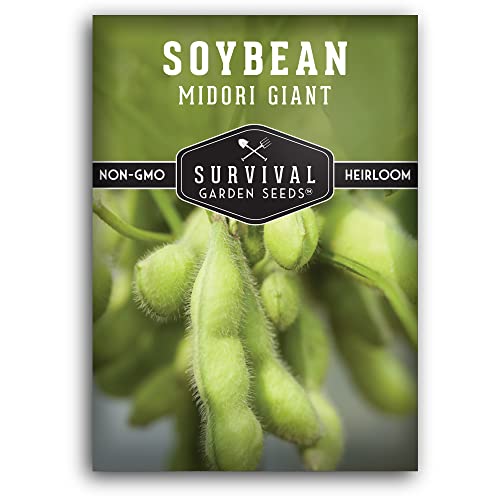
Midori Giant soybeans produce 20–24 inch tall, bushy plants with abundant, plump pods. This non-GMO heirloom variety offers versatile uses—from fresh edamame to processing into tofu, oil, or soy milk. Seeds demonstrate reliable germination and can be stored for future seasons if kept in cool, dry conditions. Each packet includes planting guidance and seed-saving instructions, helping gardeners perpetuate a harvest across years. Expect 2–3 seeds per pod and green pods that mature into a bountiful yield in suitable climates.
The compact growth habit makes Midori Giant suitable for smaller plots while still delivering a robust harvest. It adapts well to various soil types and averages maturation within 65–75 days under warm conditions. Gardeners can freeze excess pods for long-term storage or enjoy fresh edamame throughout the growing season.
Hale Habitat & Seed Conventional Soybean Seed

This 5-pound bag offers conventional soybean seed suitable for larger plots or established seed programs. The product emphasizes seed quality and maximum growth potential, with conventional selection intended for dependable germination and yield. Each bag is designed to cover a notable area, with guidance indicating the seed’s capacity to establish a productive stand across a sizable plot. The variety is appropriate for both food production and wildlife farming contexts, delivering protein-rich pods once mature.
Growers can expect a typical maturation window aligned with other common edamame-oriented soybean varieties, depending on local climate and timing. As a practical choice for those planning a broader agricultural or hobby farm operation, Hale Habitat & Seed aims to balance germination reliability with consistent yield per acre, making it a solid base seed for seed banks, schools, and community plots.
Survival Garden Seeds Chiba Green Soybean Seed for Planting

This is another Chiba Green option from Survival Garden Seeds, offering non-GMO heirloom seeds designed for planting and growing protein-rich edamame. The seed’s growth profile mirrors the standard Chiba Green characteristics: rapid germination under appropriate temperatures, bushy plant habit, and reliable pod production with green edamame pods. The packet includes cultivation instructions, including guidance on spacing, depth, and timing for best results. The seeds store well in cool, dry locations for future seasons.
Gardening considerations for this variety include choosing a sunny, well-drained site and planning for staggered sowings to extend harvest windows. The seeds are well-suited for gardeners seeking a dependable edamame crop or a home source of versatile soybean products, from fresh edamame to dry beans and beyond.
KVITER 40 Soy Bean Midori Giant Edamame Seeds

KVITER’s Midori Giant seeds promise a high-yielding, nitrogen-fixing bush that can reach 24–36 inches in height. The variety supports robust pod production and a complete protein profile, with germination typically occurring in 5–10 days at warm temperatures (70–90 °F). Harvest timing can be around 80 days for tender edamame, and the heirloom quality implies adaptability to loamy soils. This non-GMO option is positioned for home gardens seeking a steady supply of fresh edamame and potential processing into soy-based products.
Gardeners should consider soil preparation to maximize yield, including adequate sun exposure and moisture management during pod fill. KVITER’s seeds cater to both edible and ornamental garden goals, offering a balanced approach to home soybean farming.
Buying Guide
Key considerations when choosing soybean seeds for planting:
- Purpose: Decide between fresh edamame, dried beans, or processing into tofu, oil, or soy milk. Some varieties are optimized for edamame, while others emphasize yield or storage life.
- Non-GMO and heirloom traits: If avoiding GMOs is important, prioritize non-GMO and heirloom selections such as Chiba Green or Midori Giant options.
- Maturity period: Most garden-worthy soybeans mature in about 65–75 days, but check the seed packet for the exact window in your USDA zone. Shorter cycles suit cooler regions; longer cycles fit warmer areas.
- Planting depth and spacing: Typical guidelines suggest planting 1 inch deep with 4–6 inches between plants, and wider spacing between rows. Adjust spacing for larger plots or trellis support if needed.
- Growth habit: Bush vs. indeterminate varieties affect spacing and staking needs. Bush types are generally more suitable for small-to-medium gardens and containers.
- Storage and viability: Seeds stored in a cool, dry place stay viable for multiple seasons. Some packets include seed-saving instructions to perpetuate harvests.
- Climate and zone compatibility: Ensure the chosen variety is suitable for your local climate and soil type. Most home garden varieties thrive in full sun with well-drained soil.
For practical planning, consider mixing varieties to diversify harvest times and uses. If you want a quick yield for fresh edamame, prioritize faster-maturing options. For long-term storage and processing into soy products, select high-protein, high-yield varieties and plan for adequate curing and storage conditions. Always follow the seed package directions for best germination outcomes and rotation to protect soil health.