 Trusted Garden Reviews
Choosing the right soil and potting mix is essential for productive vegetable gardening, whether you’re growing in containers, raised beds, or in-ground plots. The following selections focus on organic, peat-friendly, and moisture-retentive blends designed to support vegetable roots, nutrient release, and steady moisture. Each product is chosen for versatility, suitability for containers, and compatibility with vegetable crops. Review the options, compare moisture control, pH balance, and organic certifications to determine the best fit for your garden.
| Product | Key Benefit | Best For |
|---|---|---|
| Miracle-Gro Organic Outdoor Potting Mix (16 qt) | Quick-release natural fertilizer; feeds up to 2 months | Outdoor container vegetable plants |
| Burpee Premium Organic Potting Mix (9 Quarts) | Plant food + coconut coir; slow-release feed up to 3 months | Containers, raised beds |
| Miracle-Gro Potting Mix (16 qt, 2-Pack) | Feeds up to 6 months; doubles productivity vs unfed plants | Container vegetables and flowers |
| Back to the Roots 100% Organic Potting Mix (12 Qt) | Peat-free; USA-made; moisture pH-balanced blend | Herbs, veggies, flowers in pots |
| Back to the Roots Organic Coir 51 Quart Expanding Soil | Expands to over 2 cu ft; peat-free; OMRI listed | Seeds, pots, amendments |
Miracle-Gro Organic Outdoor Potting Mix, 16 Qt

This Miracle-Gro mix includes a quick-release natural fertilizer and feeds plants for up to two months. It uses responsibly sourced peat from certified producers and is suitable for a range of outdoor container plants, including vegetables, herbs, and perennials. The formulation aims to balance moisture retention with drainage, helping young vegetable roots establish quickly in pots or balcony gardens.
Burpee Premium Organic Potting Mix, 9 Quarts

Burpee’s mix combines organic plant food with coconut coir to promote robust seed and root growth in containers. It’s OMRI Listed for organic use and provides a plant-friendly blend that feeds immediately and then gradually for up to three months. The coconut coir helps retain moisture, supporting consistent moisture for vegetable roots in pots or small raised beds.
Miracle-Gro Potting Mix, 16 Qt (2-Pack)

This bundled set feeds container plants for up to six months, designed to support more blooms and healthier growth in vegetables and ornamentals. The two 16-quart bags allow you to fill multiple pots or a medium-sized container garden, with user-friendly steps for installation and spacing that suit various vegetable crops.
Back to the Roots 100% Organic Potting Mix, 12 Qt
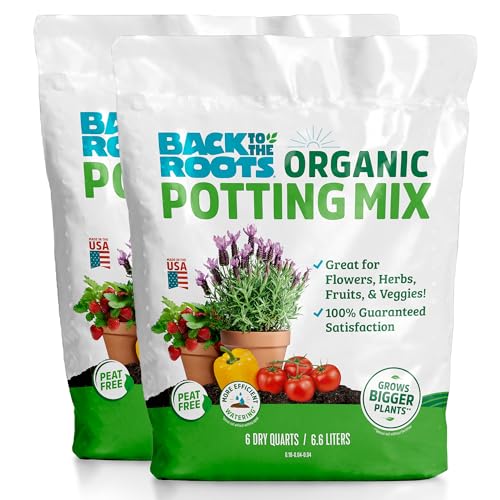
Back to the Roots emphasizes peat-free, all-organic ingredients, made in the USA. The blend is designed for all-purpose use with herbs, vegetables, and flowers in pots, and includes moisture-control components along with pH-balancing minerals to support root health and steady growth in containerized gardens.
Back to the Roots Organic Coir, 51 Quart Expanding Soil

This expanding coir-based mix is peat-free and OMRI listed, making it suitable for organic gardening. It expands significantly and provides a versatile base for seeds, seedlings, and potted plants. Its all-purpose formulation supports vegetables, herbs, and flowers, with a balanced pH and moisture retention that helps prevent dryness between waterings.
Buying Guide: Key Purchase Considerations for Vegetable Garden Soil
- Organic certification and peat content: Look for OMRI listings or other organic certifications if you’re growing edible crops. Peat-free or peat-reduced blends minimize environmental impact and can improve sustainability.
- Moisture retention and drainage: For container vegetables, blends that balance moisture retention with good drainage reduce root rot risk. Coconut coir and yucca-based additives can improve moisture control.
- Nutrient content and feeding schedule: Quick-release fertilizers offer immediate nutrition, while slow-release components extend feeding over weeks. Consider your planting timeline and whether you want premixed nutrients or plan to supplement with compost or homemade amendments.
- pH balance: Vegetables prefer a near-neutral pH. Soils with balanced pH or additives like dolomitic limestone can help maintain nutrient availability, especially in containers with limited buffering capacity.
- Container vs. in-ground use: Container mixes should be lighter and highly aerated to promote root growth. In-ground blends can prioritize long-term structure, drainage, and soil biology but may require more organic matter to improve structure over time.
- Texture and components: Coir, perlite, and vermiculite improve aeration and drainage; compost and aged bark provide organic matter. A mix that suits your crop type (greens, tomatoes, peppers) and pot size will yield better results.
- Sustainability and sourcing: Local or USA-made blends can reduce transportation emissions and ensure consistent quality. Look for blends with recycled or upcycled ingredients where possible.
- Usage guidance: Read container depth recommendations and the pot size ratio to ensure you don’t over- or under-fill pots. Proper potting depth supports healthy root systems and productive yields.