 Trusted Garden Reviews
Choosing the right fertilizer can impact yields, bud development, and overall plant vitality. This guide highlights five top options commonly used by serious growers to support marijuana plants through vegetative growth and bloom. Each product is evaluated on nutrient balance, ease of use, and how it supports flowering, aroma, and potency. Whether you’re growing in soil or hydroponics, these nutrient strategies aim to optimize uptake and plant health across stages of growth.
| Product | Brand | Format | Key Benefit |
|---|---|---|---|
| FoxFarm Fertilizer Soil Trio | FoxFarm | Liquid trio | Sequential bloom and growth support |
| Big Bud | Advanced Nutrients | Liquid fertilizer | Enhanced flowers and weight |
| Tiger Bloom | FoxFarm | Liquid fertilizer | Stimulates flowering and fruiting |
| Bloom, Micro, Grow | Advanced Nutrients | 3-part set | Comprehensive growth and bloom support |
| FloraSeries | General Hydroponics | 3-part system | Stage-specific nutrient balance |
FoxFarm Fertilizer Soil Trio: Growth, Bloom, and Finishing Support

The FoxFarm Soil Trio combines Grow Big, Tiger Bloom, and Big Bloom to deliver a balanced nutrient regimen across plant development. Grow Big targets vegetative vigor with a focus on lush foliage and sturdy structure, helping plants establish a resilient canopy. Tiger Bloom and Big Bloom shift the focus to flowering stages, promoting bud formation, density, and aroma without neglecting root health and overall plant resilience. This trio is designed for soil-based systems, offering a convenient, all-season nutrient program that aligns with common marijuana cultivation cycles.
Advanced Nutrients GL525050-12 Big Bud Liquid Fertilizer

Big Bud is designed to boost bloom density and weight by delivering higher phosphorus levels alongside essential nutrients. It emphasizes larger, heavier flowers and richer essential oils, aromatics, and phenols—factors that can influence the perceived quality and potency of harvested buds. This product is often incorporated during peak flowering to maximize bud development and overall harvest value, particularly for experienced growers who want stronger floral outcomes without sacrificing plant resilience.
FoxFarm Tiger Bloom: Fast-Acting Bloom Booster

Tiger Bloom is a phosphorus-rich bloom booster designed to accelerate flowering and bud formation. Its concentrated formula supports robust flowering when buds begin to form, helping to promote vigor and yield during the critical reproductive stage. In addition to phosphorus, the blend includes complementary nutrients that support foliage and root development, contributing to balanced plant health throughout the flowering phase.
Advanced Nutrients Bloom, Micro, Grow Bundle
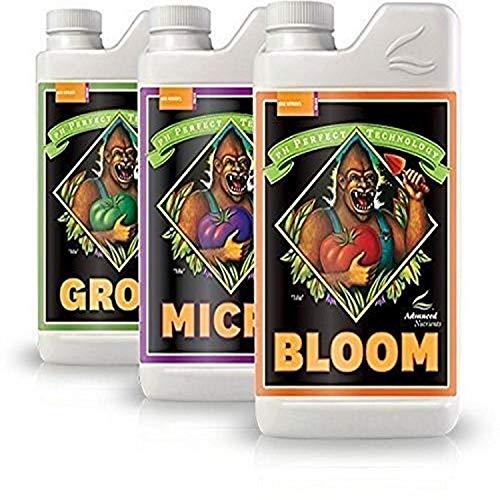
This 3-part nutrient system provides a complete regimen for marijuana plants from vegetative growth to flowering. Bloom, Micro, and Grow are formulated to work together, offering macro and micro nutrient balance, trace elements, and growth-promoting compounds. The coordination of these three solutions helps growers tailor feeding schedules, promote robust foliage, healthy root systems, and strong bud development, adapting to varying grow media and environmental conditions.
General Hydroponics FloraSeries: FloraMicro, FloraBloom, FloraGro
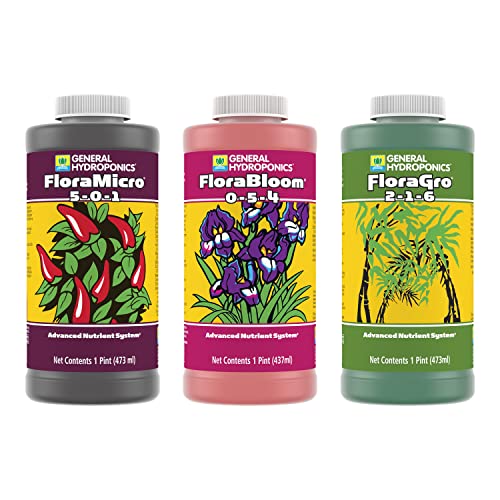
FloraSeries is a modular hydroponic nutrient system designed to support plants through all growth stages. FloraMicro provides essential nitrogen, calcium, and chelated micronutrients to support rapid growth. FloraBloom emphasizes bloom-building elements, while FloraGro supplies the vegetative growth needs. The trio is widely compatible with soil in some formulations and is known for its predictable, stage-based nutrient delivery, making it a solid option for growers seeking precise control over plant nutrition in hydroponic setups or soilless mixes.
Buying Guide: Key Purchase Considerations And Comparisons
When selecting a fertilizer regimen for marijuana plants, consider the following factors:
- Nutrient balance by growth stage: Vegetative growth benefits from higher nitrogen; flowering requires higher phosphorus and potassium. Look for products clearly labeled for veg and bloom phases, or a complete three-part system that allows stage-specific adjustments.
- Media compatibility: Soil, soilless mixes, and hydroponics each respond differently to amendments. Choose products designed for your growing medium to optimize uptake and reduce the risk of nutrient burn or deficiency.
- Phosphorus and potassium emphasis: Bud development often hinges on phosphorus for flowering vigor and potassium for overall fruit quality and resilience. Assess whether a product provides sufficient P and K for peak bloom.
- Micronutrients and chelation: Trace elements and chelated minerals improve nutrient availability, particularly in challenging pH ranges. Some growers prefer products with built-in micronutrient packages for stability across varying conditions.
- Ease of use: For beginners, pre-mixed feeds or three-part systems with clear feeding schedules reduce guesswork. More experienced growers may adjust ratios to target specific soil biology or hydroponic conditions.
- Regulatory and safety considerations: Always follow label directions, ventilate properly, and avoid mixing incompatible products. Consider peat-free or organic-style inputs if you’re prioritizing sustainability.
- Long-term impact on aroma and flavor: Some nutrient blends influence terpene profiles and essential oil production. If quality aroma is a goal, monitor bud development across feeding cycles and adjust as needed.
In practice, many growers blend a foundational base feed with a targeted bloom booster to align with the plant’s lifecycle. Always start with recommended dosages and observe the plant’s response before adjusting feeding frequency or concentration. For mixed media or indoor environments, consistent monitoring of pH and EC (electrical conductivity) helps maintain nutrient availability and reduce potential stress on plants.