 Trusted Garden Reviews
Carpenter bees can be persistent, especially in warm months when they nest in wood structures around homes and outdoor spaces. Citrus-based sprays offer a natural-first approach to deter or reduce activity, combining degreasing power with pleasant scents. The following selected products use citrus oils or citrus-inspired formulas to tackle bee activity, while also offering options for broader outdoor pest control and prevention. This guide highlights five products that align with citrus-based strategies and carpenter-bee mitigation, with practical usage notes for American households.
| Product | Brand | Use | Key Citrus Link |
|---|---|---|---|
| Cold Pressed Orange Oil Concentrate | Sanco Industries | Cleaner, degreaser, odor eliminator | Orange oil as solvent and deodorizer |
| BioAdvanced Termite and Carpenter Bee Killer Plus Foam | BioAdvanced | Foam insect killer for wood-infesting pests | Citrus-friendly carrier in foam formulation |
| TERRO Ready to Use Carpenter Bee Killer Aerosol | TERRO | Indoor/outdoor aerosol spray for wood pests | Fast-acting spray designed for wood-dwellers |
| Wondercide Wasp And Hornet Killer | Wondercide | Outdoor aerosol for wasps/hornets near homes | Natural essential oils with citrus-like notes |
| RESCUE! VisiLure TrapStik | RESCUE! | Sticky traps for bees and wasps | Non-chemical lure-based approach |
Cold Pressed Orange Oil Concentrate For Cleaning And Odor Control

This professional-grade orange oil concentrate acts as a robust solvent and degreaser, making it suitable for outdoor cleaning around wooden surfaces where carpenter bees might nest. It dilutes to four gallons of finished product, providing economical coverage for decks, eaves, and other wooden attachments. The product emphasizes a formulation without bleach, ammonia, or chlorine, reducing potential damage to wood finishes while aiding odor neutralization with cold-pressed citrus oil. Surfactants enhance cleaning, improving emulsion during use and aiding residue removal from rough wood surfaces commonly affected by bee activity.
Usage considerations include testing on small areas first and following dilution guidelines to balance cleaning power with wood preservation. While primarily a cleaner, its citrus aroma and degreasing action can help reduce attractants near nesting sites, supporting broader carpenter-bee deterrence strategies alongside direct insect control methods.
BioAdvanced Termite And Carpenter Bee Killer Plus, Foam
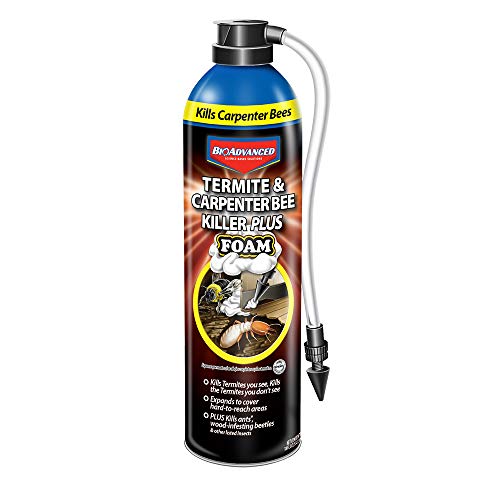
This foam spray targets termites and carpenter bees by expanding into cracks and crevices to reach hidden nesting sites. The 30:1 expansion ratio helps fill gaps in wood, improving coverage beyond surface sprays. While the product emphasizes wood-infesting insects beyond carpenter bees, it provides a practical option for localized treatment where visible signs point to bee activity in structural timbers. The citrus-related note in its carrier aids odor thresholds during application, and the foam ensures better adherence to uneven surfaces typical of wooden exterior features.
TERRO T1901SR Indoor/Outdoor Carpenter Bee Killer
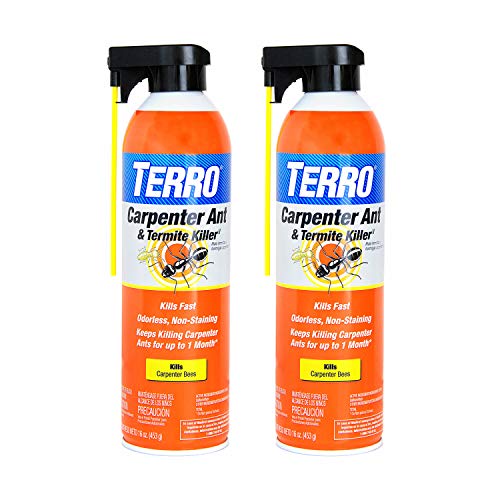
Terro’s ready-to-use aerosol is designed for rapid action against wood-dwelling insects, including carpenter bees. It offers a two-way spray nozzle for broad coverage or targeted treatment in cracks and crevices, making it suitable for both exterior beams and interior woodwork near nesting sites. The product’s rapid knockdown helps reduce immediate pest pressure, while the residual effect provides ongoing protection for up to a month. While not citrus-specific, Terro’s formulation is positioned for quick response in shared outdoor spaces where carpenter bee activity is observed.
Wondercide Wasp And Hornet Killer Aerosol

This outdoor spray is geared toward wasps, hornets, and yellow jackets, offering a long-distance jet spray of up to 15 feet. While primarily aimed at stinging insects around porches, decks, and other exterior spaces, it provides a practical option for deterring carpenter bees that share outdoor nesting sites or adjacent entry points. Wondercide emphasizes safety around kids and pets when used as directed, making it a usable option for households seeking an effective citrus-inspired or naturally-derived control method for perimeter protection.
RESCUE! VisiLure TrapStik For Carpenter Bees
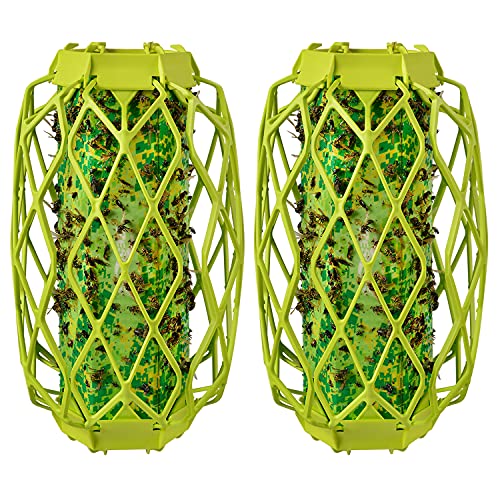
The VisiLure TrapStik offers a non-toxic, non-chemical approach to reducing carpenter bee presence. The sticky surface captures both queens and workers from spring through fall, using color and pattern to attract insects rather than relying on sprays. Designed with a barrier (glue guards) to minimize non-insect captures, it serves as a complementary control option alongside citrus-based or spray strategies. This product is suitable for use near entry points and around wooden structures where bees might attempt to nest.
Buying Guide: Key Purchase Considerations For Citrus-Inspired Carpenter Bee Control
When selecting products to deter or reduce carpenter bee activity, consider the following perspectives:
- Efficacy And Scope: For quick knockdown on exterior wood surfaces, aerosols like TERRO or Wondercide provide rapid results. For interior or hard-to-reach nesting areas, a foam or foam-like delivery (BioAdvanced) helps fill cracks. Consider combining sprays with non-chemical traps for a multi-layer approach.
- Wood Safety: Citrus-based cleaners (like orange oil concentrates) can help degrease and prepare surfaces, but always test on a small area to ensure no finish damage. Avoid harsh residues on painted or stained wood without confirming compatibility.
- Environmental And Safety Considerations: Outdoor products should be chosen with safety in mind for pets and children. Where possible, favor products with natural essential oils and minimal synthetic additives, and follow label directions for outdoor application.
- Target Specificity: While some products target carpenter bees directly, others cover a broader range of wood-dwelling insects or general wasp/hornet species. Use a combination to cover immediate threats and potential future nesting.
- Application Timing: Peak carpenter-bee activity aligns with warm months. Initiate preventive spraying before nesting begins and re-treat as recommended by product guidelines to maintain deterrence and control.
- Integrated Approach: Combine surface cleaners or degreasers for reflection and scent management with targeted insecticides, traps, and monitoring to reduce bee activity over time.