 Trusted Garden Reviews
Amaranth seeds and plants offer a striking mix of ornamental beauty and practical harvests, yielding edible greens and tiny grains. This guide highlights five top seed options suitable for American gardens, with notes on growth, harvest, and culinary uses. Each selection brings vibrant foliage, tall stature, and drought-tolerant resilience. Explore blends and single varieties to find the right fit for beds, borders, or kitchen gardens.
| Product | Brand | Notes |
|---|---|---|
| Red Amaranth Seed | SURVIVAL GARDEN SEEDS | |
| Amaranth Collection | Sow Right Seeds | |
| Red Garnet Amaranth Seed | Sow Right Seeds | |
| Organic Amaranth Variety Pack | SWEET YARDS | |
| Organic Amaranth In Resealable Bag | Anna and Sarah |
Red Amaranth Seed From Survival Garden Seeds

This red amaranth seed packet offers a large, attractive plant that can reach up to 6 feet tall. The plant works as both a decorative specimen and an edible source, drawing beneficial pollinators into the garden. The burgundy seed heads yield nutritious grain rich in fiber, iron, manganese, and protein. Leaves are edible, tender when young, and flavorful as they mature. The seeds are suitable for sprouting as microgreens. The packet includes instructions for saving seeds to perpetuate harvests in future seasons, enabling long-term garden planning.
Sow Right Seeds Collection Of Amaranth Seeds

This collection includes Green Garnet, Red Garnet, and Bronze amaranth seeds. The giant plants reach 6 feet or taller and add beauty to gardens while offering edible greens and grain heads. Germination typically occurs in 14–21 days in warm soils. Space plants 6–12 inches apart in full sun. With a height potential of 6 feet, these varieties form a dramatic backdrop for beds and borders. The seed heads provide a dual harvest: greens for cooking and grains for meals or wildlife feed. The kit supports versatile garden design and culinary exploration.
Red Garnet Amaranth Seeds For Planting
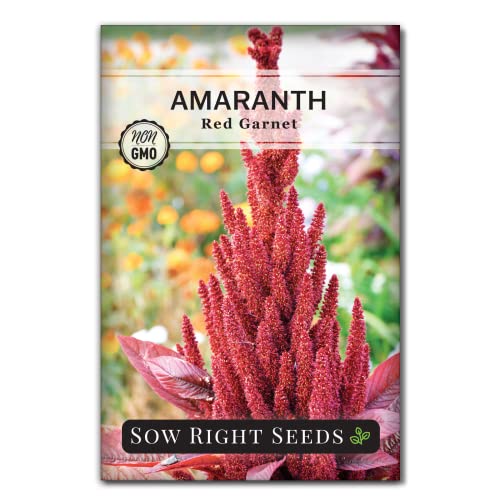
Red Garnet Amaranth seeds yield striking magenta flower heads and large, edible leaves. Plants can reach up to 6 feet tall, bringing dramatic color to front or back borders. Leaves are edible, both cooked and raw, while seed heads can be harvested for grain or left to provide wildlife sustenance. Germination occurs within 14–21 days with soil temperatures between 65–75°F. Space plants 6–12 inches apart in full sun. This variety is versatile for gardens and culinary uses alike, offering visual appeal and reliable yield.
Organic Amaranth Variety Pack By Sweet Yards

This organic variety pack includes Burgundy, Hopi Red Dye, and Red Garnet amaranth seeds. The 2025 season selection emphasizes freshness and organic certification, suitable for eco-conscious gardeners. The seeds deliver ornamental value alongside edible greens and grains, supporting a diverse, color-rich garden. Plant as directed for reliable germination in 65–75°F soil temperatures and full sun, with ample spacing to ensure tall, sturdy plants. This pack is ideal for growers seeking multiple amaranth expressions in a single purchase.
Anna And Sarah Organic Amaranth In Resealable Bag

Anna and Sarah offer organic amaranth grains in a resealable bag, presenting a practical option for home cooks and bakers. The product emphasizes high-protein, high-fiber grain with vitamins and minerals, suitable for baking and cooking. Cooking instructions suggest using amaranth with water in a tight-covered pot, simmering for about 25 minutes. This option emphasizes pantry storage and long-term use, encouraging sustainable kitchen practices alongside garden cultivation.
Green Garnet Amaranth Seed For Planting

Green Garnet Amaranth seed offers a nutrient-rich option with tall growth up to 6 feet and green flower stalks. The leaves are edible when young and can be harvested as greens or microgreens. Seeds can be used as a pseudo grain, ground into flour, or popped. The plant’s resilience supports sustainable home gardening, and the variety’s self-sowing nature adds to long-term viability for homesteads and kitchen gardens alike.
Love Lies Bleeding Amaranth Seeds

Although marketed as bulk edible seeds, Love Lies Bleeding Amaranth seeds are known for dramatic, drooping red flower clusters. This variety adds a bold accent to borders and cuts gardens, while also offering edible greens and grain potential. It’s well-suited for gardeners seeking strong visual impact, wildlife-friendly seed heads, and a multi-purpose plant that combines aesthetics with harvest opportunities.
Buying Guide: Amaranth Seeds For Planting
Key considerations help determine which amaranth seeds suit your climate, soil, and culinary goals:
- Growth Habit and Height — Most amaranths reach 4–6 feet, with plumes that create vertical accents. Choose dwarf or compact varieties if space is limited.
- Edible Parts — Leaves, stems, and seeds can be edible. Some varieties emphasize greens, others seed production for grain. Consider your kitchen needs.
- Germination and Timing — Expect 14–21 days to germinate in 65–75°F soil. Prepare full-sun beds and ensure consistent moisture.
- Soil and Water — Amaranth tolerates poor soils but prefers fertile, well-drained soil. Water consistently during establishment, then moderate once plants are established.
- Pollinators and Biodiversity — Amaranth’s bright blooms attract pollinators and can support wildlife in borders and mixed beds.
- Seed Storage and Longevity — Many packets include seed-saving instructions; store seeds in cool, dry locations to extend viability.
- Organic and Non-GMO Options — If you prefer organic or non-GMO seeds, verify certifications on the product packaging.
- Growing Indoors vs Outdoors — Some amaranth varieties can be started indoors and transplanted, while others thrive directly in garden beds.
- Garden Design Versatility — Use amaranth for tall backdrops, cut flower arrangements, microgreens, or grain harvests for baking and cooking.
- Wildlife Considerations — Seed heads can feed birds; plan plant placement accordingly if wildlife is a priority.
By combining varieties, you can enjoy extended harvest windows and diverse uses—from leafy greens to grain-like seeds. Always follow seed packet instructions for best results, including depth, spacing, and light requirements. For American gardeners, these selections provide dependable germination, vibrant foliage, and multiple harvest options across seasons.